What Is Microsoft 365 and Is It Right for Your Small Business?
By Brandon Mitchell, Tech365
Microsoft 365 is a cloud-based suite of productivity tools built to help small businesses collaborate, simplify operations, and run more efficiently. This article walks through the features that make Microsoft 365 a strong option for small teams, explains the main benefits and available plans, and lays out a practical setup approach. As organizations face growing demands for collaboration and security, adopting Microsoft 365 can change how teams work together. Expect clear explanations of core components, setup steps, and the advantages Microsoft 365 brings to small businesses.
Key Features of Microsoft 365 for Small Businesses:
Microsoft 365 includes features aimed at small businesses that improve productivity and support teamwork.
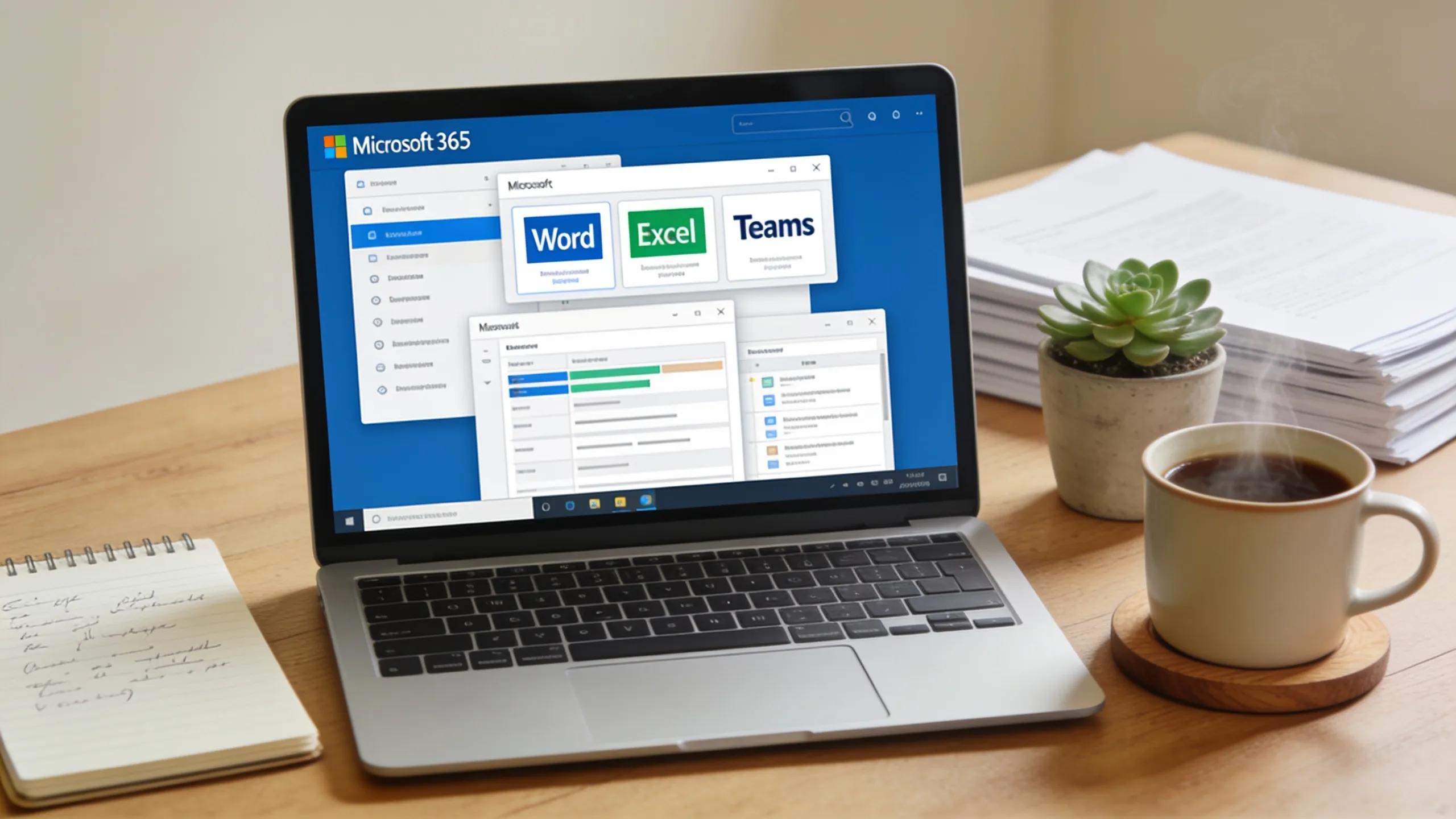
- Access to Full Office Apps: Teams get the familiar apps, Word, Excel, PowerPoint, and Outlook, so employees have the tools they need for everyday tasks.
- Professional Email Capabilities: Hosted Outlook mail provides business-class email and calendar functionality, helping you present a professional image and coordinate work efficiently.
- Advanced Security Features: Built-in protections such as data loss prevention, conditional access policies, and threat detection help safeguard sensitive information.
These features help small businesses work more effectively while keeping data protected, allowing owners to focus on growth.
What Are the Core Features of Microsoft 365 Business Plans?
Microsoft 365 offers tiered business plans that address different operational needs. Knowing which features come with each tier helps you pick the plan that fits your team and budget.
Which Office Apps and Collaboration Tools Are Included?
Every Microsoft 365 business plan bundles essential office applications and collaboration tools that support day-to-day productivity. Key components include:
- Microsoft Teams: A hub for chat, video meetings, and team collaboration that centralizes communication.
- OneDrive: Cloud storage for accessing and sharing files from any device, making collaboration easier.
- SharePoint: A secure platform for document management and team sites, enabling real-time collaboration on projects.
These tools work together to streamline workflows and improve team communication—especially important for small businesses.
How Does Microsoft 365 Enhance Business Security?

Security is a top priority, and Microsoft 365 provides layered protections to keep data safe. For additional support tailored to your needs, consider working with a managed service provider.
- Email and Phishing Protection: Built-in filtering helps block phishing attempts and malware before they reach users’ inboxes.
- Data Loss Prevention (DLP): Policies can prevent sensitive information from being shared inappropriately.
- Conditional Access Controls: Define who can access data and under what conditions to reduce risk of unauthorized access.
With these controls in place, small businesses can operate with more confidence that their information is protected.
How Much Does Microsoft 365 Cost for Small Businesses?
Understanding pricing is key for budgeting. Microsoft 365 offers several tiers so small businesses can choose a plan that balances features and cost.
What Are the Pricing Options and Business Plan Differences?
Common small-business tiers include:
- Microsoft 365 Business Basic: Includes web and mobile versions of Office apps plus Microsoft Teams, an economical choice for startups and very small teams.
- Microsoft 365 Business Standard: Adds desktop Office apps and additional services such as hosted email, suitable for growing teams that need full-featured apps.
These plan options let businesses select the combination of features and tools that best fits their workflow and budget.
How Does Microsoft 365 Pricing Compare to Office 365 for Businesses?
Microsoft 365 expanded on Office 365 by bundling additional productivity and security services with the traditional Office apps. Many businesses now get broader capabilities, collaboration tools and enhanced protections, within comparable pricing, making Microsoft 365 a strong consideration when weighing total value.
How Can Small Businesses Set Up Microsoft 365 Effectively?

A thoughtful setup helps you get the most from Microsoft 365. If you prefer hands-on help, consider partnering with a service provider familiar with Microsoft 365 deployments.
What Are the Step-by-Step Setup and Migration Processes?
Typical setup and migration steps include:
- Assessment and Planning: Identify your users, data, and which plan matches your needs.
- User Account Creation: Set up accounts and permissions from the Microsoft 365 admin center.
- Data Migration: Move files to OneDrive and SharePoint to centralize access and preserve continuity.
Following a clear plan reduces disruption and helps teams adopt the platform smoothly.
What Post-Setup Management and Support Should Small Businesses Expect?
After launch, businesses typically use a mix of internal and external support to keep systems running:
- Emergency IT Support: Access to help when problems occur to minimize downtime.
- Regular Monitoring Options: Ongoing checks of security and usage settings help maintain compliance and performance.
Using these services helps small businesses sustain reliable performance and security after implementation.
What Are the Benefits of Microsoft 365 for Small Businesses?
Bringing Microsoft 365 into daily operations delivers benefits across productivity, collaboration, and security. See how Tech365 can support your Microsoft 365 journey.
How Does Microsoft 365 Improve Productivity and Collaboration?
Microsoft 365 helps teams work together more effectively through integrated tools:
- Real-Time Collaboration Tools: Co-authoring in Word and live editing in Excel let multiple people work on the same document at once.
- Accessibility of Applications: Cloud access means files and apps are available from desktops, laptops, and mobile devices, supporting flexible work.
These capabilities reduce friction and enable teams to get more done with clearer coordination.
Why Is Microsoft 365 a Secure Choice for Small Business IT?
Microsoft 365 includes a range of security and compliance features that fit business needs:
- Robust Security Certifications: Microsoft’s compliance with global standards helps organizations meet regulatory expectations.
- Real-World Implications of Security Features: Strong data protection tools allow businesses to create policies that limit exposure and support safe collaboration.
That security focus helps small businesses concentrate on growth rather than constant worry about data risks.
For organizations in Indiana, local managed services are available to provide tailored support. The Tech365 team works with clients on their IT systems and software needs, offering practical guidance and ongoing support.
Frequently Asked Questions
1. What are some tips for maximizing the use of Microsoft 365 in my small business?
Start with practical training on core tools like Teams and OneDrive so everyone understands how they fit into daily work. Define collaboration guidelines (naming files, version control, channels) to reduce confusion. Use templates and Power Automate to remove repetitive tasks, and review admin analytics to spot underused features you can roll out more broadly.
2. Can Microsoft 365 be used on mobile devices?
Yes. Dedicated mobile apps for Word, Excel, PowerPoint, and Outlook keep documents and communication accessible on phones and tablets. Changes sync across devices, so team members can pick up work wherever they are.
3. How does Microsoft 365 support remote work?
Microsoft 365 supports remote teams with real-time collaboration, chat, and video through Teams, plus cloud storage via OneDrive and SharePoint so people can share and edit files from any location. Together these tools keep projects moving even when teams are distributed.
4. What is the importance of regular updates in Microsoft 365?
Keeping Microsoft 365 updated ensures you receive security patches, feature improvements, and performance fixes. Regular updates help reduce vulnerability to threats and provide users with the latest tools to stay productive.
5. Are there training resources available for using Microsoft 365?
Yes. Microsoft Learn and Office Support offer step-by-step tutorials and guided modules. Third-party platforms and local providers also offer role-based training to help teams adopt best practices faster.
6. How can I ensure data compliance using Microsoft 365?
Use built-in compliance tools like Advanced Data Governance and Compliance Manager to set retention policies, manage eDiscovery, and track audit logs. Train staff on data-handling procedures and consult compliance advisors to align settings with industry rules.
7. What integration options does Microsoft 365 offer with other services?
Microsoft 365 integrates with many third-party apps—examples include Slack, Trello, and Salesforce—so data can flow between systems. Power Automate also helps build workflows across apps to reduce manual work and connect your toolset.
Conclusion
Adopting Microsoft 365 can strengthen productivity through integrated collaboration tools and provide meaningful security controls for small businesses. With flexible access to familiar apps and practical management features, teams can work more efficiently and securely. Consider support options that match your needs to get the most from the platform. Learn how Tech365 can help you plan and implement Microsoft 365 to fit your business goals.
Ready to get started?