
Why Network Cabling Matters for Your Business: Structured Installation and Reliable Infrastructure for Success
Your network cabling is the hidden system that keeps your business running. It moves data between devices so your team can communicate and get work done. This article walks you through why cabling matters—especially structured cabling—and how it can boost performance. You’ll learn about installation, the benefits of doing it right, industry standards, and how to pick a good provider. We also cover maintenance tips and budgeting so you can see why quality cabling supports continuity and growth.
What Is Structured Cabling and Why Should Your Business Care?
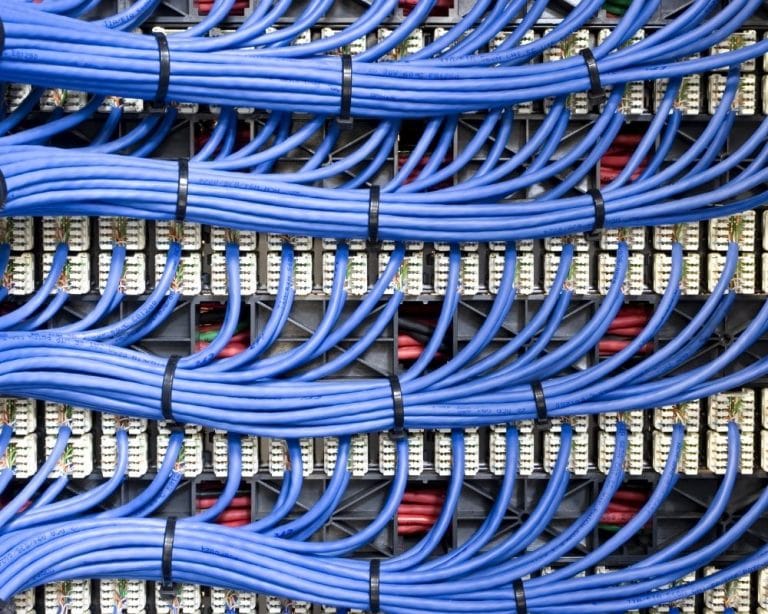
Structured cabling is a standard way to organize the wires that connect your equipment. It keeps things tidy, supports different types of hardware, and makes data travel more reliably. The main upside is smoother network performance with less downtime and easier upgrades. By installing a structured cabling system , you make sure your network can handle voice, data, video, and more without chaos.
Put simply: structured cabling helps keep essential services running smoothly across different platforms.
Structured Cabling for Continuous Data Flow & Services
Structured cabling is a comprehensive network of cables, ensuring the continuous flow of data, voice, video, security, and wireless services. TIA/EIA‐942 and TIA/EIA‐569 state that cable trays should be used for proper installation.
Fiber cabling fundamentals, installation, and maintenance, 2021
Understanding Structured Cabling Installation and Its Role in Network Infrastructure

Installing structured cabling starts with planning, design, and then careful execution. First, you assess what the business needs so you can pick the right layout and parts. That means choosing the proper cables, connectors, and patch panels that will form your network’s backbone. Good installation matters—quality cables and following standards reduce interference and signal loss so data stays fast and reliable.
How Structured Cabling Supports Scalable and Efficient Business Networks
Structured cabling stands out because it scales with you. As your business grows, you often need more bandwidth and devices. A structured system lets you add capacity without ripping everything out. You can plug in new devices or extend the network quickly, which saves time and cost while keeping day-to-day work running smoothly.
In short, structured cabling is a core element that adapts as communication networks evolve.
Structured Cabling: Foundation for Modern Communication Networks
Amidst the rapid evolution of information technology, structured cabling remains a fundamental component of modern communication network infrastructure. This paper investigates the prospective development trends of structured cabling technologies in future communication networks. It provides an in-depth analysis across critical dimensions, including advancements in broadband capacity, the integration of intelligent systems, the adoption of green and energy-efficient practices, and the push towards modularity and standardization.
An Analysis of Emerging Trends in Structured Cabling for Next-Generation Telecommunications, 2026
How Does Proper Network Cabling Boost Your Business Performance?
Proper cabling improves speed, cuts latency, and makes your network more dependable. That means fewer slowdowns and a smoother day for your team. Investing in good cabling also lowers the risk of costly outages so employees can access the tools they need without interruption.
Key Benefits of Business Data Cabling for Speed and Reliability
Business data cabling delivers clear, practical advantages that help operations run better:
- Improved Network Performance : High-quality cabling ensures faster data transfer rates, which is crucial for applications that require real-time data access.
- Reduced Downtime : A reliable cabling infrastructure minimizes the risk of network failures, allowing businesses to maintain productivity.
- Efficient Troubleshooting : Structured cabling simplifies the process of identifying and resolving network issues, reducing the time spent on maintenance.
Those benefits show why investing in a strong cabling system pays off for modern business needs.
Reducing Downtime: Why Commercial Network Wiring Matters
Downtime costs time and money and can hurt customer trust. Old or poor cabling often causes outages and slowdowns. Prioritizing quality commercial wiring—installed to standards and using good materials—cuts the chance of problems. Regular maintenance and timely upgrades also help keep your network reliable and running.
Minimizing downtime goes hand in hand with effective fault management across complex networks.
High Availability & Downtime Reduction in Network Infrastructure
Fault management system remains as a critical component of any Network Management System present in the telecom industry. The final goal for any telecom service provider is to develop a high availability of service to its customers. For any telecom operator there’ll this module Alarm system or even known as Fault Management system to handle the faults in the system. The faults can be ranging anywhere from a hardware fault, a security breach, a software error or anything which can be a possible threat to the high availability of the service. With the number of customers increasing daily, the network in telecom graphs form like an evolving graph. Thus, the complexity of the telecom network also increases with the increase in nodes.
Reducing Network Downtime by Intelligent Fault Analysis, B Bipin, 2019
What Are the Industry Standards and Compliance Rules for Network Cabling?
Knowing the relevant standards and compliance rules helps you avoid installation problems and safety issues. These rules set performance and safety expectations so your cabling supports a dependable network.
Explaining TIA/EIA Standards for Business Network Cabling
The TIA and EIA set standards for how cabling should be installed and tested. They cover cable types, installation practices, and testing methods. Following TIA/EIA guidance helps make sure your system can support current and future tech—so your setup is more future-proof.
How Compliance Ensures Security and Future-Proofing of Your Network
Compliance boosts performance and helps protect your network from vulnerabilities caused by poor installs. A compliant cabling system is also easier to upgrade, so you can scale without major rewiring as technology advances.
How Do You Choose the Right Network Cabling Provider in Indiana?
Picking the right cabling provider can make or break your project. A skilled, experienced team will design and install a system that fits your business and performs reliably.
What to Look for in Structured Cabling Services Near Noblesville and Indianapolis
When you’re comparing structured cabling services, look for a few key things:
- Experience and Expertise : Look for providers with a proven track record in network cabling installations.
- Quality of Materials : Ensure that the provider uses high-quality cables and components that meet industry standards.
- Comprehensive Services : Choose a provider that offers a full range of services, including design, installation, and maintenance.
These points will help you find a dependable provider who can build a cabling solution that fits your needs.
Questions to Ask Your Business Network Infrastructure Experts
Before you commit, ask questions that reveal how they work and what support you’ll get.
- What is your installation process? Understanding their approach can give you insight into their expertise and attention to detail.
- How do you ensure compliance with industry standards? This question will help you gauge their commitment to quality and safety.
- What kind of support do you offer post-installation? Knowing the level of ongoing support can help you plan for future maintenance needs.
Those questions will help you choose a provider who’s thorough and reliable.
What Maintenance and Troubleshooting Should You Expect for Your Network Cabling?
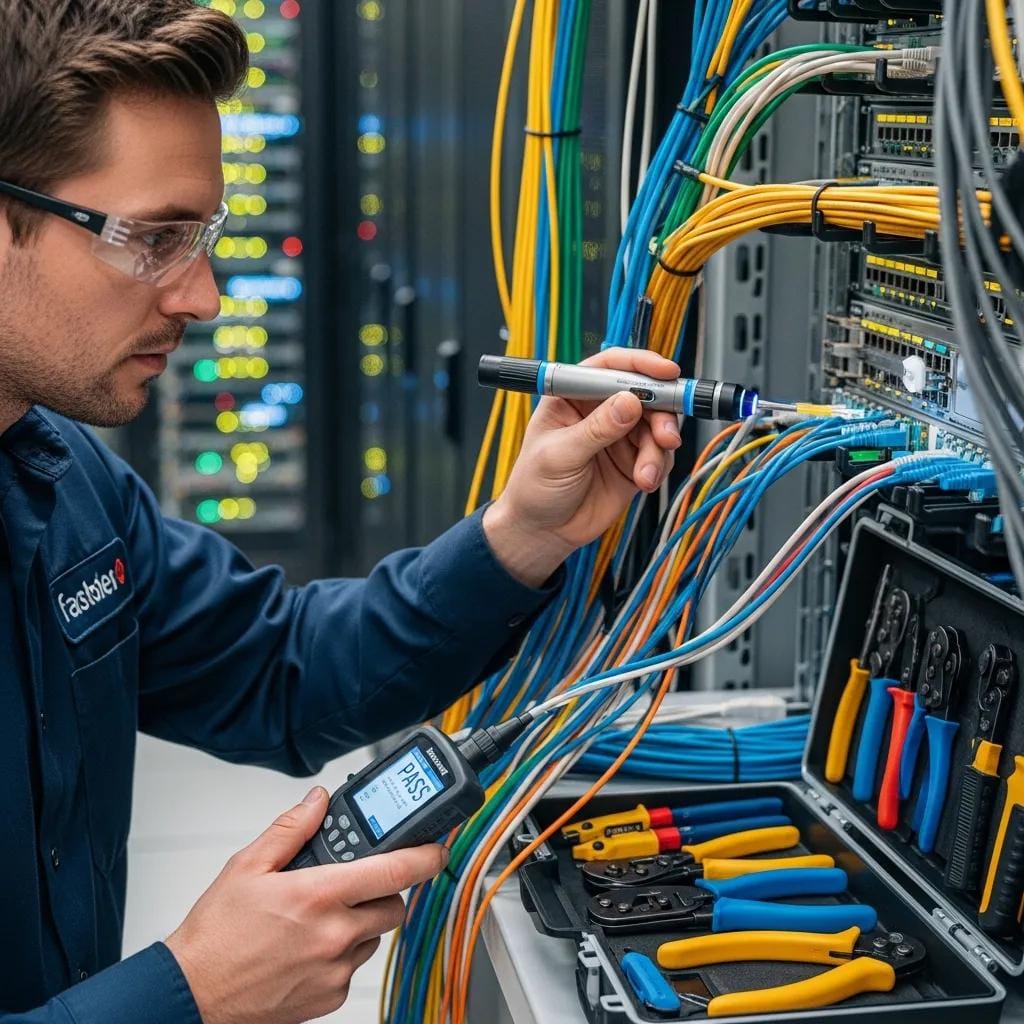
Regular maintenance and quick troubleshooting keep your cabling working longer and performing better. A proactive approach helps you spot issues before they become big problems.
Simple Tips to Keep Your Data Cabling Solutions Running Smoothly
To keep your cabling in good shape, use a few simple habits:
- Regular Inspections : Schedule routine inspections to identify any signs of wear or damage.
- Keep Cables Organized : Use cable management solutions to prevent tangling and damage.
- Monitor Performance : Regularly test the network to ensure optimal performance and address any issues promptly.
Following these steps can extend your cabling’s life and keep performance steady.
When and How to Call for Professional Commercial Network Wiring Support
Sometimes you’ll need professional help for complex problems or upgrades. Watch for these signs:
- Frequent Network Outages : If your network experiences regular disruptions, it may indicate underlying cabling issues.
- Slow Performance : Persistent slow data transfer rates can signal problems with the cabling infrastructure.
- Physical Damage : Any visible damage to cables or connectors should be addressed immediately by a professional.
Calling a pro at the right time can save you money and downtime over the long term.
How Much Should You Budget for Enterprise Cabling Systems?
Budgeting for cabling means looking at materials, installation, and ongoing upkeep. Knowing these costs helps you plan realistically.
Understanding Cost Considerations for Small and Medium-Sized Business Network Cabling
When you plan a budget, think about a few main cost drivers:
- Material Costs : The type of cables and components used will significantly impact the overall budget.
- Installation Fees : Professional installation services can vary in cost, so it’s essential to obtain multiple quotes.
- Maintenance Expenses : Factor in ongoing maintenance costs to ensure the cabling system remains operational over time.
Considering these items helps you build a realistic budget that matches your needs.
Balancing Quality and Price: Getting the Best Value for Your Business
Choosing the cheapest option can cost more later. Quality materials and professional installation reduce repair needs and downtime. That reliability boosts productivity, which makes the investment worthwhile.
| Cabling Type | Installation Cost | Performance Level |
|---|---|---|
| Cat5e | $1000 | Moderate |
| Cat6 | $1500 | High |
| Fiber Optic | $3000 | Very High |
Frequently Asked Questions
What are the common types of network cabling used in businesses?
Businesses often use twisted pair cables like Cat5e and Cat6, coaxial cables, and fiber optic cables. Twisted pair is affordable and easy to install, so it works for most offices. Fiber costs more but gives much higher speed and bandwidth, which is best for demanding uses. Each choice depends on distance, speed needs, and budget.
How often should network cabling be inspected or maintained?
Inspect cabling at least once a year, and more often in busy areas. Look for wear, damage, or interference that could hurt performance. Also keep an eye on network performance so you can spot issues early. Staying proactive helps avoid costly downtime.
What are the signs that indicate a need for network cabling upgrades?
Watch for frequent outages, slow transfer speeds, and high latency—these often mean your cabling is outdated. If your system can’t support new tech or devices, or you see physical damage, it’s time to upgrade. New cabling improves performance and keeps the network ready for change.
Can structured cabling support both voice and data services?
Yes. Structured cabling is built to handle voice, data, video, and security systems. That makes it easy to consolidate wiring into one organized setup. The result is simpler management, less clutter, and more reliable performance across services.
What role does cable management play in network cabling?
Good cable management keeps wires neat and protected, which prevents tangles, damage, and interference. It also makes troubleshooting faster and reduces downtime. Investing in cable management pays off in reliability and easier maintenance.
How can businesses ensure their network cabling is future-proof?
To future-proof your cabling, follow industry standards and pick quality materials that can handle new tech. Use scalable solutions like structured cabling so upgrades are simple. Planning for higher bandwidth and considering fiber where needed will help you stay ahead. Regular checks of performance and infrastructure will tell you when to upgrade.
Conclusion
Investing in structured cabling improves efficiency and reliability. With proper installation and standards compliance, you’ll cut downtime and speed up data transfer. That approach meets today’s needs and sets you up for future growth. Learn how expert cabling services can strengthen your network.