How Upgrading Your IT Infrastructure Lowers Costs from Outdated Servers
By Brandon Mitchell, Tech365
Keeping an aging server in production can quietly erode your budget. Many small businesses miss the hidden costs of legacy IT—higher maintenance bills, slower teams, and greater security exposure. This article explains how modernizing your infrastructure can cut those costs. You’ll learn where hidden expenses appear, how downtime hits your finances, and how managed IT services and cloud migration can be practical, cost-saving approaches. With that context, you can make choices that boost efficiency and stabilize your bottom line.
What hidden costs come with an outdated server?
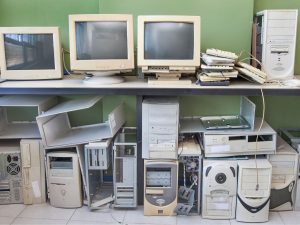
Outdated servers carry costs that add up over time and are easy to overlook. Expect rising maintenance and repair bills as hardware ages, plus higher security risk if systems no longer receive updates. Slower performance and unplanned downtime sap employee productivity, which directly affects revenue. Upgrading removes many recurring expenses and reduces the chance of expensive incidents.
How does server downtime affect small business finances?
Server outages can be extremely costly. Some research estimates the average cost of IT downtime for small businesses at roughly $5,600 per minute. Beyond lost sales during an outage, there are repair fees, overtime costs, and damage to customer trust. The longer systems stay down, the larger the financial hit—so reliability is a direct way to protect revenue.
What risks do legacy IT systems pose to business continuity?
Legacy systems interrupt daily operations in several ways: performance degradation, compatibility problems, and missing security protections that make breaches more likely. When core systems fail or can’t be patched, recovery becomes slower and more expensive. Transitioning to modern infrastructure reduces those risks and helps keep operations running smoothly.
This view matches current research on modernizing legacy IT, which emphasizes the importance of risk management and meeting regulatory requirements.
Modernizing Legacy IT Infrastructure: Risks and Strategies
An examination of approaches for risk management and regulatory compliance when modernizing legacy IT. The article highlights the pressure to adopt new technologies in environments with limited flexibility, rising maintenance costs, and technical debt—factors that drive operational, technical, and regulatory risk.
Risk management and compliance strategies for legacy IT infrastructure, Y Shevchuk, 2025
How can upgrades reduce downtime costs for small businesses?
Replacing old servers and adopting proactive maintenance lowers the chance of unexpected failures. Modern systems are more reliable and often include redundancy, faster recovery, and automated monitoring, so issues are caught before they escalate. The result is less unplanned downtime, smoother workflows, and measurable cost savings over time.
What are the benefits of managed IT services for server replacement?
Managed IT services simplify server replacement by turning unpredictable repair bills into predictable monthly costs. Providers monitor systems, apply updates, and handle maintenance so your team can focus on core work. That proactive model reduces downtime, speeds problem resolution, and often lowers overall IT spend compared with reacting to failures in-house.
How does cloud migration act as a cost-effective replacement strategy?

Migrating to the cloud can cut total cost of ownership by removing large upfront hardware purchases and shifting to flexible, usage-based pricing. Cloud platforms scale with demand, improve remote access and collaboration, and reduce the need for on-site maintenance. For many small businesses, that translates into lower capital expense and faster time to value.
What is the financial impact of server replacement and upgrade costs?
While upgrades require an initial outlay, the long-term savings typically outweigh the cost. Expect lower maintenance bills, fewer costly outages, and improved staff productivity. Upgrades also reduce exposure to security incidents whose remediation can be far more expensive than preventive investments. Evaluating total costs over time is key to seeing the full financial picture.
How do you compare server replacement costs versus downtime expenses?
Start by tallying current expenses: repair costs, support hours, lost productivity during outages, and any revenue lost while systems are down. Then estimate replacement costs, including hardware, migration, and ongoing support. Comparing lifetime costs reveals whether investing now delivers a better return than continuing to pay for breakdowns and inefficiency.
What ROI can businesses expect from IT infrastructure upgrades?
Many businesses see a positive ROI from infrastructure upgrades through reduced downtime, lower maintenance spending, and gains in employee output. The exact return depends on your current environment, but proactive management and modern systems typically pay for themselves over time by preventing avoidable losses and improving operational efficiency.
Frequently Asked Questions
What factors should businesses weigh when deciding to upgrade their IT infrastructure?
Evaluate current system stability, maintenance and support costs, security posture, and whether your infrastructure can scale with business needs. Also consider productivity impacts and regulatory obligations. A clear picture of total cost of ownership today versus after an upgrade will guide a sound decision.
How can businesses ensure a smooth transition during IT infrastructure upgrades?
Plan a phased migration with a realistic timeline and budget, communicate changes clearly to stakeholders, and pilot new systems before full rollout. Include testing, rollback plans, and training so users can adapt quickly. Working with experienced IT partners reduces risk and speeds implementation.
What role does employee training play in maximizing the benefits of upgraded IT systems?
Training is essential. When staff understand new tools, they use them more effectively and avoid mistakes that cause downtime. Ongoing training and support accelerate adoption, boost productivity, and help you realize the full value of the upgrade.
What are the environmental benefits of upgrading IT infrastructure?
Modern servers and cloud platforms are generally more energy-efficient, reducing power use and cooling needs. Virtualization and shared infrastructure lower hardware counts, which cuts electronic waste. These improvements support sustainability goals and can enhance your brand’s reputation with eco-conscious customers.
How can businesses measure the success of their IT infrastructure upgrades?
Track KPIs such as reduced downtime, faster system performance, lower maintenance costs, and improved employee productivity. Combine quantitative metrics with user feedback and customer impact to get a full view of upgrade success.
What are common pitfalls to avoid during IT infrastructure upgrades?
Don’t skimp on planning, underestimate costs, or ignore change management. Skipping thorough assessment, testing, and training often leads to delays and frustration. Allocate resources up front and maintain clear communication to avoid these pitfalls.
Conclusion
Upgrading your IT infrastructure removes many hidden costs tied to outdated servers—reducing maintenance fees, lowering downtime, and improving security and productivity. Those improvements stabilize finances and free your team to focus on growth. If you’re ready to move forward, explore our managed IT services and cloud migration solutions to make your environment more efficient and resilient.